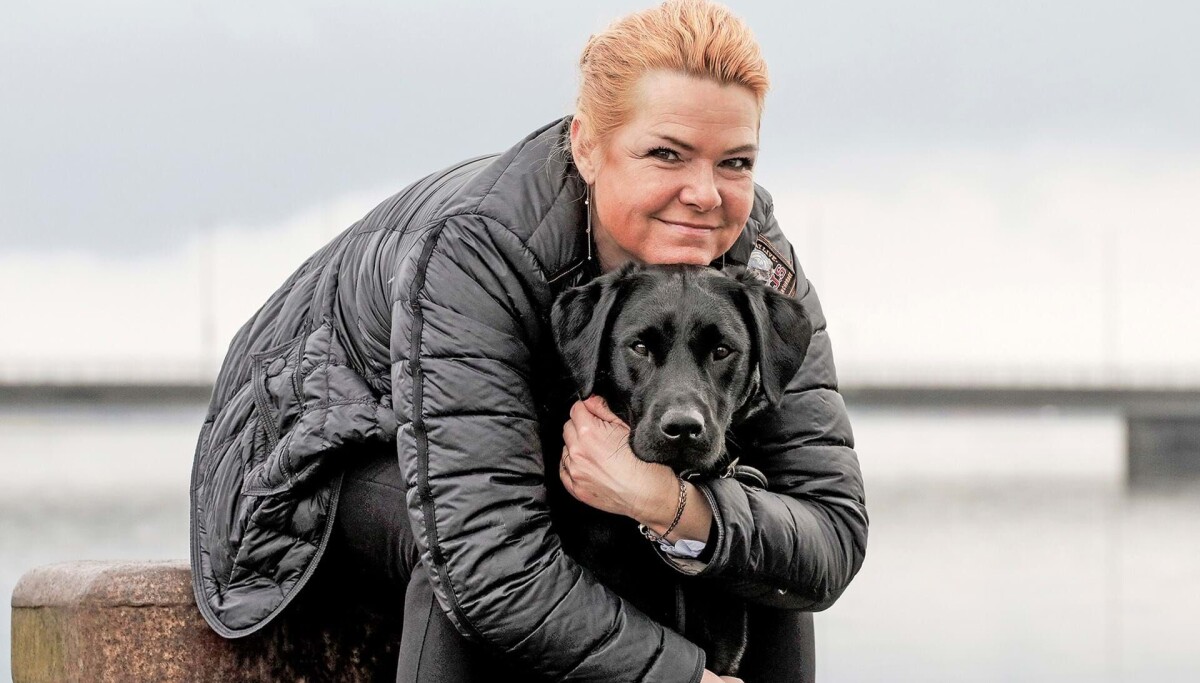
The Holistic Approach to Pet Well-being: Learning from Inger Støjberg's Dog
In the bustling world of public figures, glimpses into their private lives often reveal universal truths. When it comes to pet ownership, the dedication and care shown to a beloved animal companion can be a testament to a well-rounded and harmonious household. Inger Støjberg's dog serves as an inspiring example of how responsible pet ownership, infused with thoughtful nutrition, a consistent routine, and a focus on overall well-being, can profoundly enrich not just the animal's life, but the entire family's. This article delves into the principles demonstrated by this approach, offering actionable insights for every dog owner seeking to cultivate a happy, healthy, and integrated pet lifestyle.
For many, a dog is more than just a pet; they are cherished family members. The approach to care, whether for a high-profile public figure's dog or a beloved family pet, fundamentally boils down to the same core elements: responsibility, attentiveness, and an abundance of love. By examining the essential pillars of nutrition, daily routines, and comprehensive well-being, we can gain valuable perspectives on fostering a thriving environment for our canine companions.
The Foundation of Well-being: Daily Routine and Structure
A harmonious home life for any dog, including Inger Støjberg's beloved companion, begins with a well-established and consistent daily routine. Dogs, by nature, are creatures of habit. They thrive on predictability, which contributes significantly to their sense of security and overall mental stability. A structured day minimizes anxiety, fosters good behavior, and helps your dog understand what is expected of them, creating a less stressful environment for both pet and owner.
Crafting a Consistent Schedule
A solid routine encompasses fixed times for meals, exercise, and rest. This consistency helps regulate a dog's internal clock and digestive system. Consider these elements when building your dog's daily schedule:
- Morning Rituals: Start the day with a predictable sequence: a potty break, followed by breakfast, and then a walk or playtime. This sets a positive tone for the day.
- Midday Engagement: Depending on your schedule, this could involve another potty break, a short walk, or some interactive playtime. If you're away, consider a dog walker or puzzle toys to keep them occupied.
- Evening Wind-Down: A longer walk or active playtime before dinner, followed by quiet time, helps signal the end of the day. A final potty break before bed is crucial.
- Designated Rest Periods: Just like humans, dogs need downtime. Ensure there are specific periods for napping or quiet relaxation, especially after periods of high activity.
A consistent rhythm for
Inger Støjberg Hund ensures that the dog feels safe and understood, reducing the likelihood of behavioral issues stemming from uncertainty. It also provides opportunities for every family member to engage in the dog's care, fostering shared responsibility and strengthening bonds.
Optimal Nutrition for a Thriving Inger Støjberg's Dog
Nutrition is arguably the single most fundamental building block for a happy, healthy, and energetic dog. Just as with humans, a balanced diet provides the energy, growth, and repair mechanisms necessary for every bodily function. For a dog like Inger Støjberg's, and indeed for all canine companions, understanding the nuances of their dietary needs is paramount.
Understanding Canine Dietary Needs
A truly balanced canine diet must provide the right mix of macronutrients and micronutrients.
- Proteins: Essential for muscle development and repair, healthy skin, and a strong immune system. Look for high-quality animal-based protein sources like chicken, beef, lamb, or fish as primary ingredients.
- Fats: Concentrated sources of energy, crucial for nutrient absorption, and vital for healthy skin and a shiny coat. Omega-3 and Omega-6 fatty acids are particularly beneficial.
- Carbohydrates: Provide sustained energy and dietary fiber, which aids in digestion and promotes gut health. Quality sources include whole grains like brown rice, oats, and sweet potatoes.
- Vitamins and Minerals: Though needed in smaller quantities, these are critical for metabolic functions, bone health, and overall vitality.
The specific nutritional requirements for
Inger Støjberg Hund, or any dog, must be tailored to their age (puppy, adult, senior), weight, activity level, breed, and any underlying health conditions. A sedentary senior dog will have vastly different caloric and nutrient needs than an active young working dog. Consulting with a veterinarian to determine the best dietary plan for your specific dog is always recommended.
Choosing Quality Food and Proper Hydration
When selecting dog food, the adage "you get what you pay for" often holds true. Quality dog food typically offers a more consistent nutrient profile, using fewer fillers and more bioavailable ingredients. For
Inger Støjberg Hund, a well-chosen diet would contribute to a gleaming coat, robust joints, and the high energy levels needed for play and training.
- Read Ingredient Labels: Prioritize foods where identifiable meat sources are among the first ingredients. Be wary of generic "meat meal" or excessive corn/soy fillers. Avoid artificial colors, flavors, and unnecessary preservatives.
- Consider Food Types: While dry kibble is common, wet food, raw diets, or even carefully balanced homemade meals can be options. Each has pros and cons, and professional guidance is key for raw or homemade diets to ensure nutritional completeness.
- Portion Control: Overfeeding is a common issue leading to canine obesity, which in turn can cause a host of health problems. Follow feeding guidelines on pet food packaging, adjusting as needed based on your dog's condition and activity, and use measuring cups.
- Fresh Water: Always provide unlimited access to fresh, clean water. Hydration is critical for every bodily process. Change water frequently and clean bowls daily to prevent bacterial growth. Multiple water bowls around the house can encourage drinking.
Beyond the Basics: Exercise, Socialization, and Mental Stimulation
While proper nutrition and a solid routine are foundational, a truly well-adjusted dog, reflecting the comprehensive care we imagine for Inger Støjberg's dog, requires more. Regular exercise, thoughtful socialization, and consistent mental stimulation are vital for their physical and psychological health.
The Importance of Physical Activity
Exercise isn't just about burning off energy; it's crucial for maintaining a healthy weight, strengthening muscles and joints, and supporting cardiovascular health. The type and amount of exercise should be appropriate for your dog's breed, age, and physical condition.
- Daily Walks: More than just potty breaks, walks offer opportunities for exploration, sniffing (which is mentally stimulating!), and stretching their legs.
- Playtime: Fetch, tug-of-war, or chase games provide high-intensity bursts of activity and strengthen the bond between pet and owner.
- Dog Parks or Group Activities: For social dogs, supervised time at a dog park allows for off-leash running and interaction with other dogs.
- Swimming: A low-impact exercise that's excellent for joint health, particularly for older dogs or those with orthopedic issues.
Insufficient exercise can lead to destructive behaviors, weight gain, and general restlessness.
Cultivating Social Skills
Early and ongoing socialization is key to raising a confident and well-behaved dog. A dog that is properly socialized from a young age, like we'd expect for
Inger Støjberg Hund, will be more comfortable around new people, other animals, and different environments.
- Puppy Classes: Excellent for controlled exposure to other puppies and people, under professional guidance.
- Positive Experiences: Gradually introduce your dog to various sights, sounds, and smells. Always ensure these experiences are positive, using treats and praise.
- Controlled Interactions: Arrange playdates with known, friendly dogs. Avoid forcing interactions; allow your dog to approach at their own pace.
- Exposure to People: Invite friends over, take your dog on walks in busy areas, ensuring they learn to remain calm and polite.
Proper socialization helps prevent fear-based aggression and shyness, leading to a much more adaptable and happier companion.
Engaging the Canine Mind
Dogs are intelligent creatures who need mental stimulation just as much as physical exercise. Without it, they can become bored, which often manifests as unwanted behaviors like excessive barking, chewing, or digging.
- Training Sessions: Even short, daily training sessions (5-10 minutes) reinforce commands and provide mental challenges.
- Puzzle Toys: Food-dispensing toys or puzzle feeders require your dog to use their brain to get treats, keeping them occupied.
- Scent Work: Hide treats around the house and encourage your dog to find them using their nose – a natural and rewarding activity.
- New Environments: Exploring new walking routes or visiting pet-friendly stores provides novel sensory experiences.
Integrating Your Dog into Family Life: Lessons from Inger Støjberg's Approach
The example of Inger Støjberg's dog highlights how a canine can become a beloved and fully integrated member of the family, acting as a bridge between family members and fostering shared joy and responsibility. This integration goes beyond just feeding and walking; it's about establishing an emotional connection and creating a symbiotic relationship. For more on fostering a cohesive pet household, read our
Guide to Family Integration & Daily Care.
Shared Responsibility and Bonding
When a dog is part of the family, everyone benefits. Children learn empathy and responsibility by participating in care tasks, while adults experience the unique companionship only a dog can offer.
- Age-Appropriate Tasks: Younger children can help with feeding (supervised) or refilling water bowls, while older children can take on walking duties or participate in training.
- Family Playtime: Group walks, games in the yard, or quiet cuddle sessions on the sofa create lasting memories and strengthen the family bond.
- Consistent Messaging: Ensure all family members use consistent commands and follow the same rules. This prevents confusion for the dog and reinforces good behavior.
The presence of a loyal companion, such as Inger Støjberg's dog, enriches daily life, providing comfort, entertainment, and a constant source of unconditional love. To delve deeper into creating a fulfilling life for your canine companion, explore
Building a Responsible & Joyful Pet Lifestyle.
Conclusion: A Holistic Path to Pet Happiness
The comprehensive care approach exemplified by Inger Støjberg's dog offers a valuable blueprint for any pet owner. It underscores that optimal canine well-being is not achieved through isolated efforts but through a holistic strategy integrating mindful nutrition, consistent routines, ample exercise, thoughtful socialization, and engaging mental stimulation. By committing to these fundamental pillars, owners can ensure their dogs not only survive but truly thrive, becoming happy, healthy, and indispensable members of the family unit. The joy and companionship a well-cared-for dog brings are immeasurable, proving that the effort invested in their welfare returns boundless love and loyalty.